
Living Lighter: How to Design a Low-maintenance Home
You know that sinking feeling when you finally commit to a sofa—the one you compared, reconsidered, and circled back to for weeks—and then it becomes your dog’s personal throne within a day. Or when you spend a full Sunday cleaning, only to wake up on Monday wondering if the house reset itself overnight.
We’ve all been there. That’s exactly why low maintenance homes aren’t about cutting corners, but about making better ones. When your space works with you instead of against you, everything feels lighter, calmer, and a little more under control.
Let’s talk about how to build a home that looks intentional, feels elevated, and quietly takes care of itself.
Prioritize high-performance, low-maintenance materials
The secret to clean interior design starts at the material level. Not all furniture is built to survive real life; Some pieces demand careful use, while others just get on with it. Here's what actually holds up:
1. Performance fabrics that handle real life
If there’s one material doing the heavy lifting in a busy home, it’s performance fabric. Designed to resist stains and spills, it’s what stands between a quick wipe-down and a full cleaning session.
Spills don’t sink in as quickly, marks are easier to remove, and the fabric holds its shape even with daily use. It’s especially useful in high-traffic areas like living rooms, where furniture tends to see everything from coffee mishaps to late-night snacks.
If you’re aiming for low-maintenance living, this is one of the easiest upgrades you can make without sacrificing comfort or style.
The Hamilton Round Swivel Chair and a Half
Picture credits: @theblumers
The Hamilton Round Swivel Chair and a Half
Picture credits: @theblumers

The Mori Performance Fabric Sofa
Picture credits: @hugoandursula
The Mori Performance Fabric Sofa
Picture credits: @hugoandursula

2. Ceramic and stone that simplify everything
Stone surfaces used to come with a mental checklist of things not to do. Ceramic and modern stone finishes change that.
They’re durable, resistant to stains, and easy to wipe down, making them a staple in clean interior designs. You get the elevated look of marble or stone, without the constant vigilance.
The Elio Marble Round Coffee Table
Picture credits: @caseebrim
The Elio Marble Round Coffee Table
Picture credits: @caseebrim
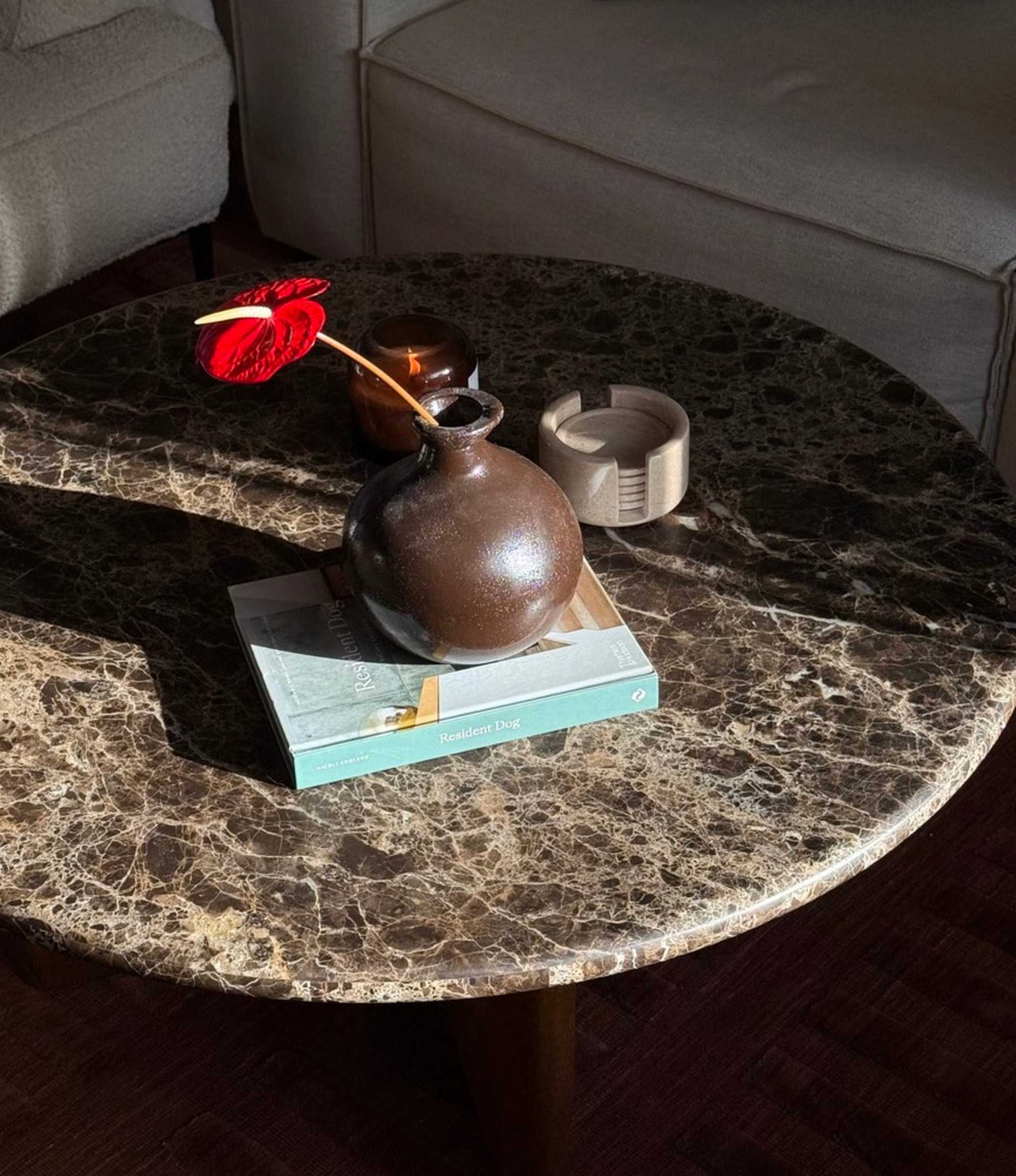
The Lavine Marble Coffee Table
Picture credits: @stevecordony
The Lavine Marble Coffee Table
Picture credits: @stevecordony
3. Metal that shrugs off wear
Metal furniture, especially stainless steel or aluminum, is built for longevity. It handles daily use without showing it, resists rust, and cleans up with a simple wipe.
If you like to refresh your space often, this is where metal shines. Swap out cushions, change textures, and it instantly feels new without replacing the base. For outdoor use, a powder-coated finish adds that extra layer of protection against chips and scratches.
4. Synthetic wicker that behaves itself
Wicker has charm, but natural wicker can feel like it needs constant supervision. Synthetic wicker gives you the same woven texture, minus the fragility.
Made from weather-resistant resin, it holds up against sun, humidity, and the occasional neglect. It doesn’t splinter, doesn’t fade easily, and when synthetic wicker gets dirty, a quick rinse is usually enough. It’s also light enough to move around without turning it into a full-body workout.
5. Plastic that’s grown up
Plastic furniture has evolved, and it’s no longer the afterthought people assume it is. PU leather offers the look of leather without the upkeep, making it ideal for homes with pets, kids, or both. It resists spills, cleans easily, and doesn’t demand special care.
HDPE plastic is another quiet overachiever, especially for use outdoors. It doesn’t warp, fade, or require seasonal maintenance, which makes it a reliable choice for low-maintenance homes.
Designing a space that looks after itself
Materials matter, but the layout of your space and furniture is where your home either supports you or quietly works against you.
A well-designed space reduces the need for constant upkeep. It’s less about doing more cleaning and more about needing less of it.
Plan your layout for effortless upkeep
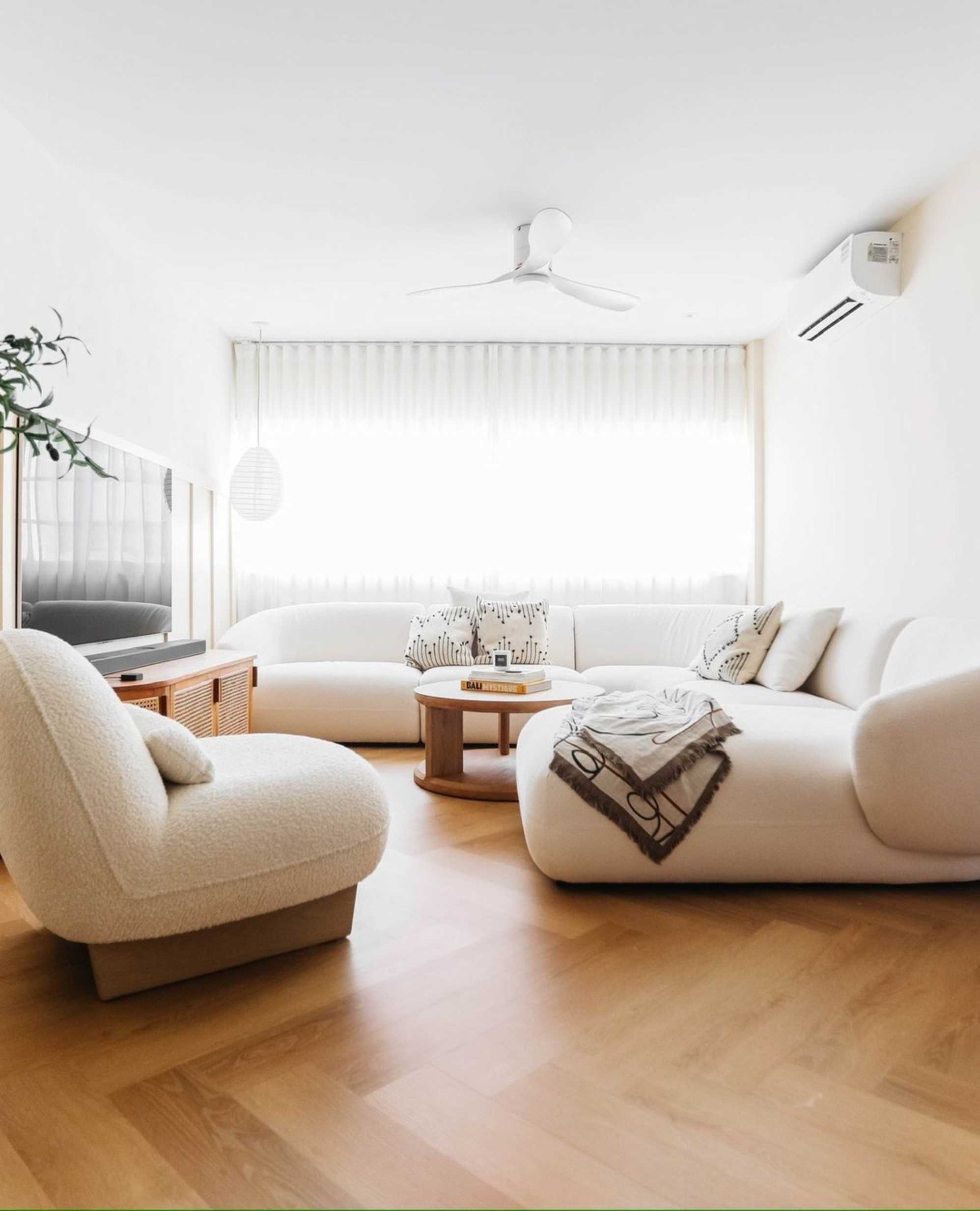
The way furniture sits in a room can make cleaning a chore—or make it nearly invisible. Keep pathways clear and avoid overcrowding corners with awkward furniture clusters.
Think about how often you vacuum or mop, and arrange pieces so every surface is easy to reach. Even small shifts like angling a sofa slightly or keeping a table away from a wall can prevent dust traps and make everyday upkeep faster.
A thoughtful layout also encourages a sense of openness, letting natural light do some of the heavy lifting in keeping your home feeling fresh. It’s the kind of design tweak that doesn’t shout but quietly cuts down your weekly cleaning effort.
The Agnes Slipcover Storage Sofa
Picture credits: @daysofahomebody
The Agnes Slipcover Storage Sofa
Picture credits: @daysofahomebody
The Auburn Performance Fabric Sectional Sofa
Picture credits: @findingfarah_
The Auburn Performance Fabric Sectional Sofa
Picture credits: @findingfarah_
Raise your furniture to lower your effort
Furniture with legs creates breathing room, visually and practically. When your sofa, bed, or storage sits slightly elevated, cleaning underneath becomes effortless. No dragging, no awkward angles, no skipped corners. It’s a small design decision that quietly changes your weekly routine.
And there’s something else. Raised furniture makes a room feel lighter, less crowded, and more considered. It’s doing two jobs at once, which is exactly the point.
Build in, so you don’t clean around
Those narrow gaps between furniture and walls, the corners that never quite get cleaned properly, the spaces you ignore until you can’t anymore. This is where clutter and dust collect.
Built-in furniture removes those problem areas entirely. It replaces unused gaps with storage that actually serves a purpose. The result is a smoother layout, fewer surfaces to clean, and a home that feels calmer without trying too hard.
Maintenance habits baked into design
Some of the easiest wins come from furniture and home choices that make cleaning part of the design.
Removable covers and washable rugs turn spills into a simple laundry task rather than a stress point.
Every choice, from modular shelving to wipeable surfaces, integrates upkeep into daily life so maintenance doesn’t dominate your schedule.
Low maintenance doesn’t mean low standards
There’s a misconception that low-maintenance homes feel stripped back or overly practical. In reality, they’re just better thought through.
It’s about choosing materials that earn their place, fabrics that handle real life without complaint, and layouts that reduce friction in your day-to-day. You’re not designing a showroom. You’re designing a space that gets used, and still looks good doing it.
Because the goal isn’t a home that stays untouched. It’s one that doesn’t punish you for living in it.
Frequently asked questions about low-maintenance home design
What type of furniture is easiest to clean?
Leather, performance fabrics, and sofas with a washable cover. Basically, furniture that can handle whatever your household throws at it. Bonus points for raised legs, so you can clean the floor underneath it, too.
What type of furniture lasts the longest?
Solid wood, metal, and high-quality upholstery with durable frames tend to go the distance. But above all else: furniture that was built well to begin with. Buying cheap and replacing it every three years is the most expensive strategy there is.
What is the biggest mistake in the placement of furniture?
Pushing everything against the walls. It feels like it creates more space, but actually just makes your space look (and feel) like a waiting room. Pull pieces in, create conversation around a sectional sofa or coffee table, and let the room breathe a little.
