
Nightstands & Bedside Tables











Nightstands & Bedside Tables
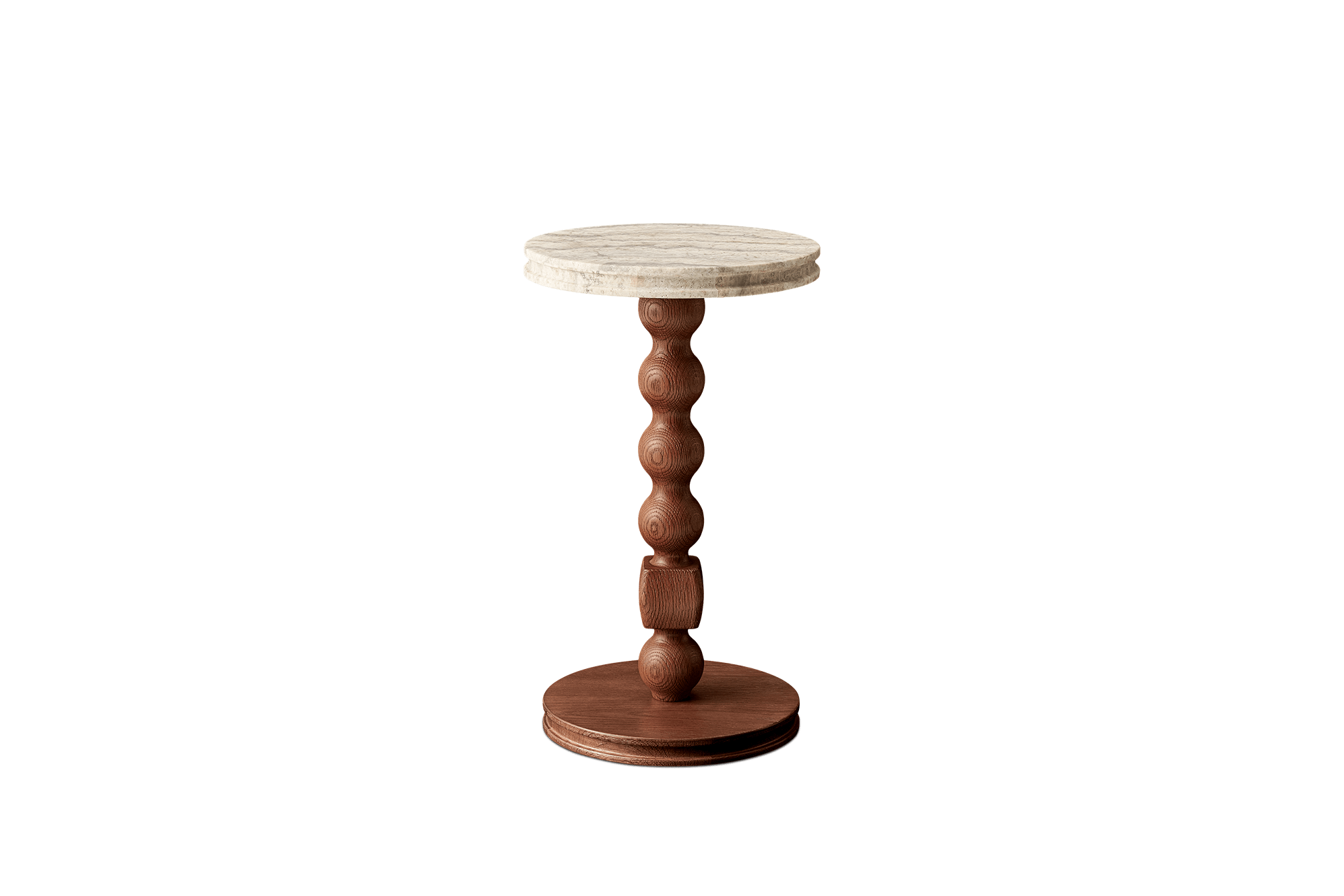
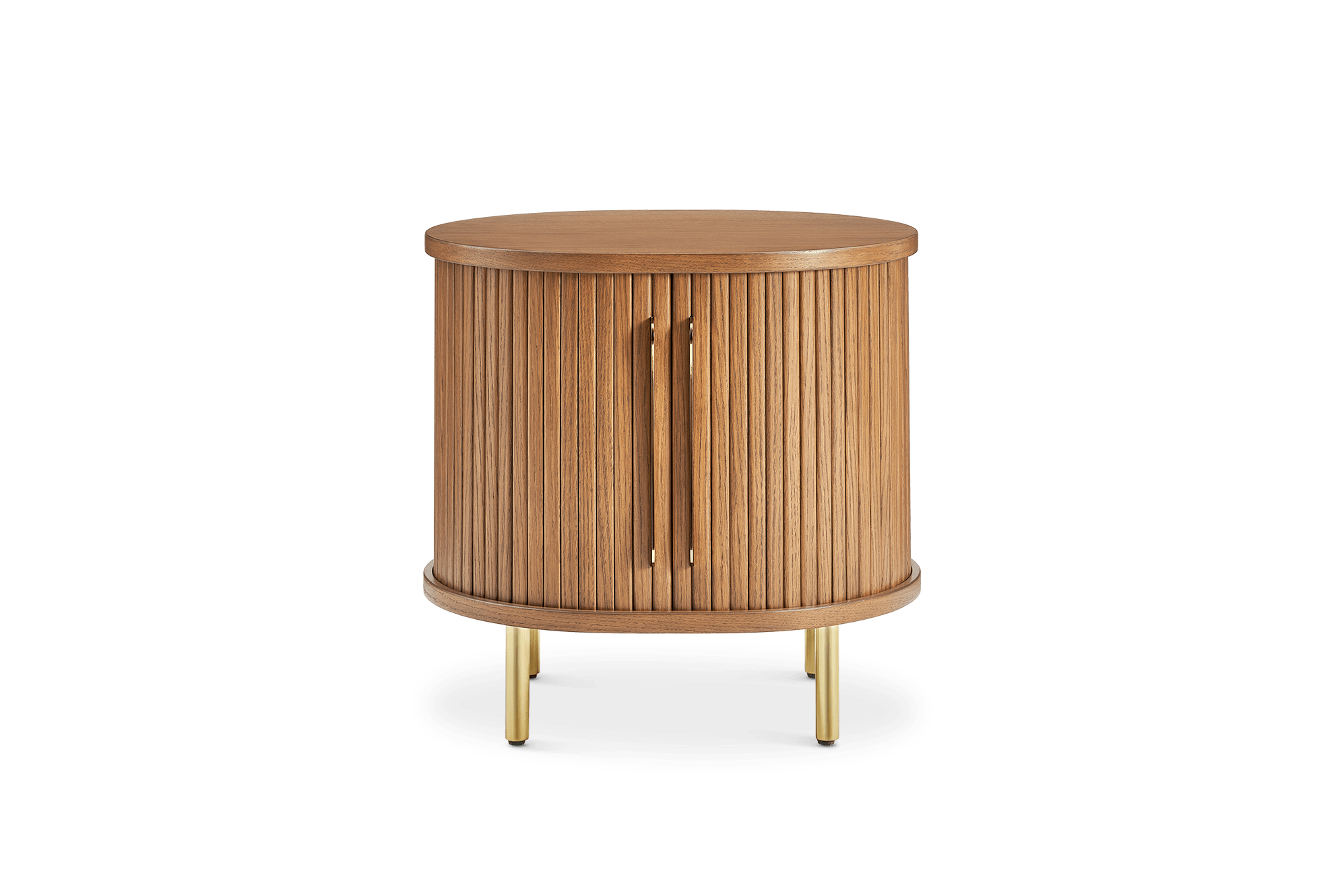
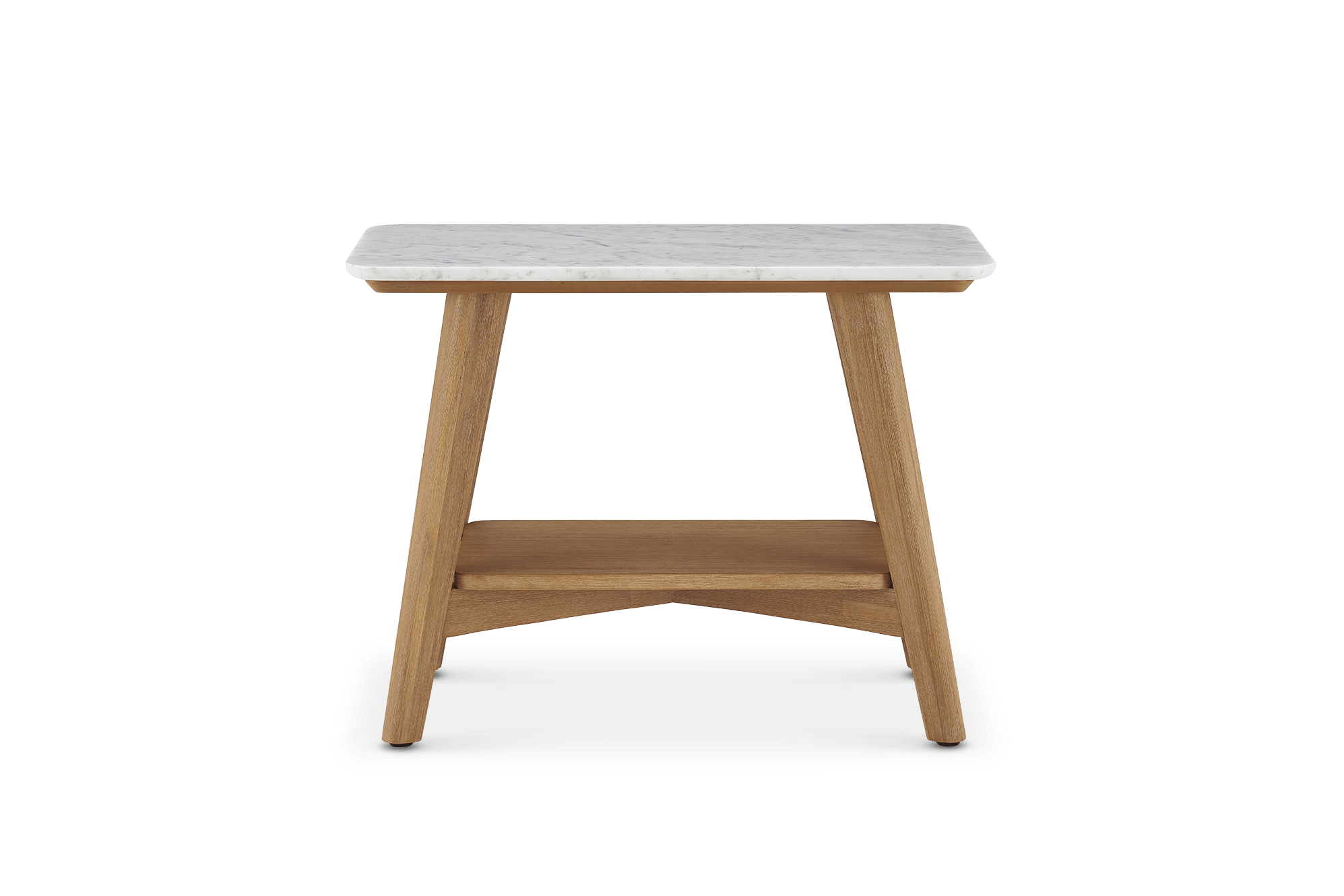
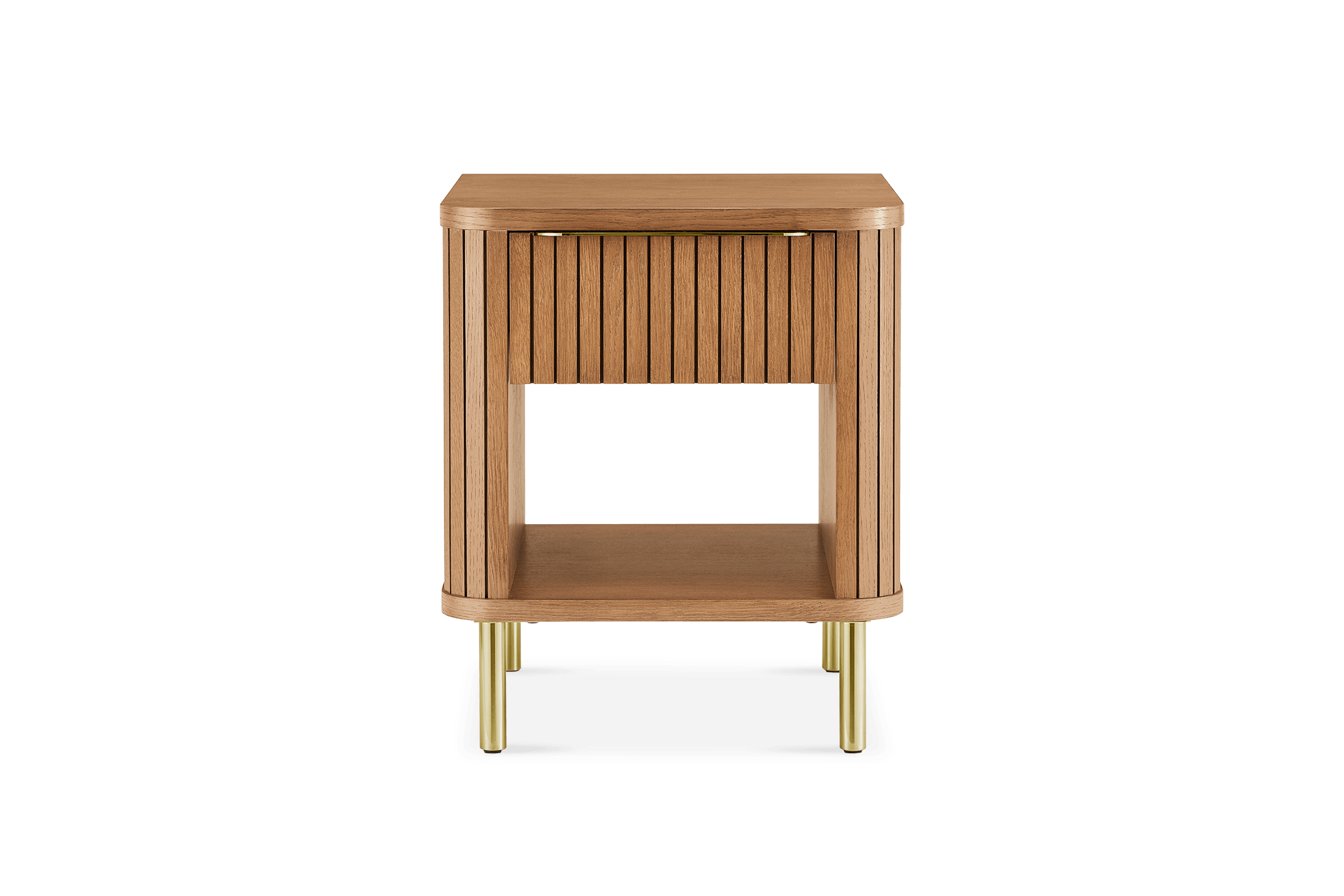
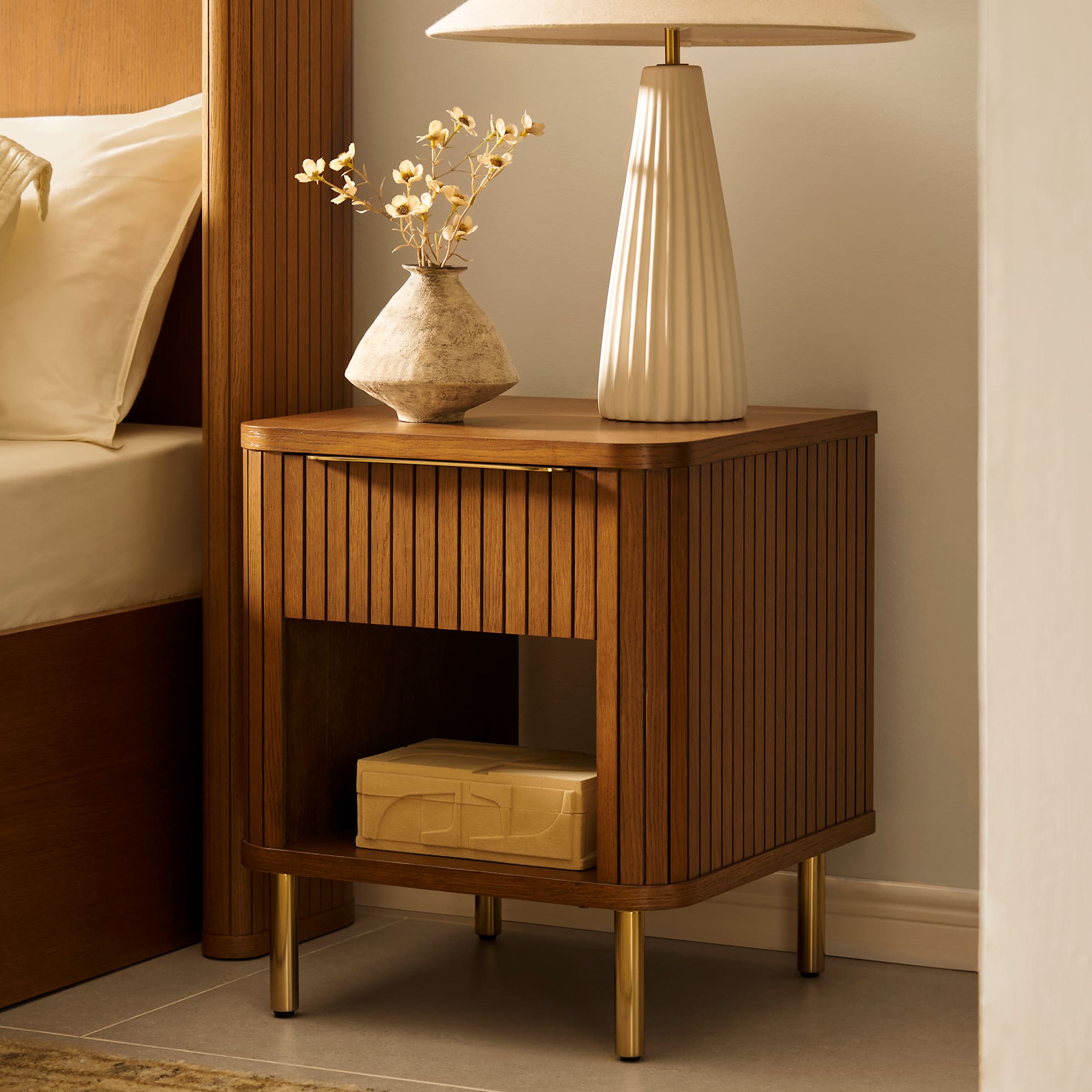
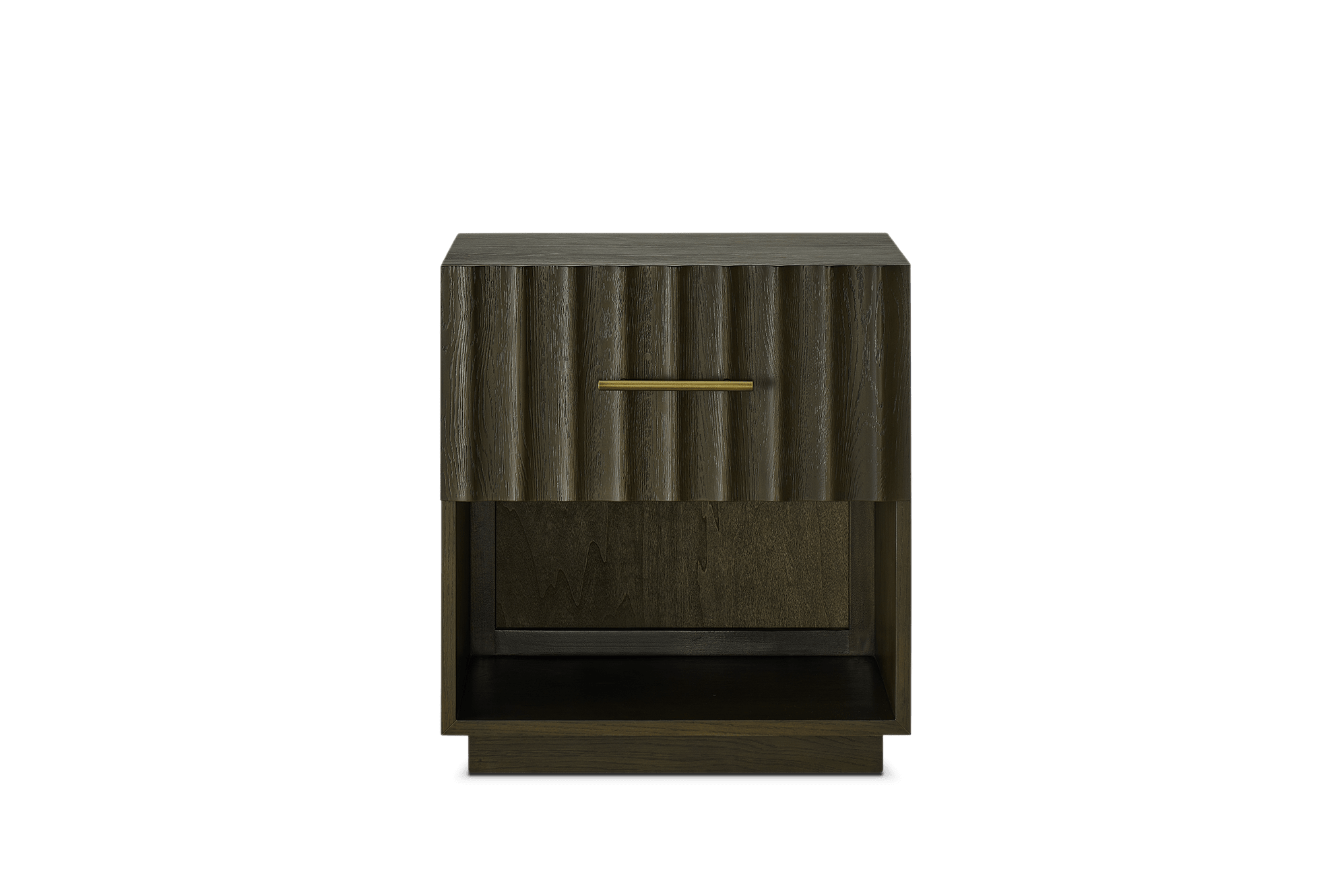
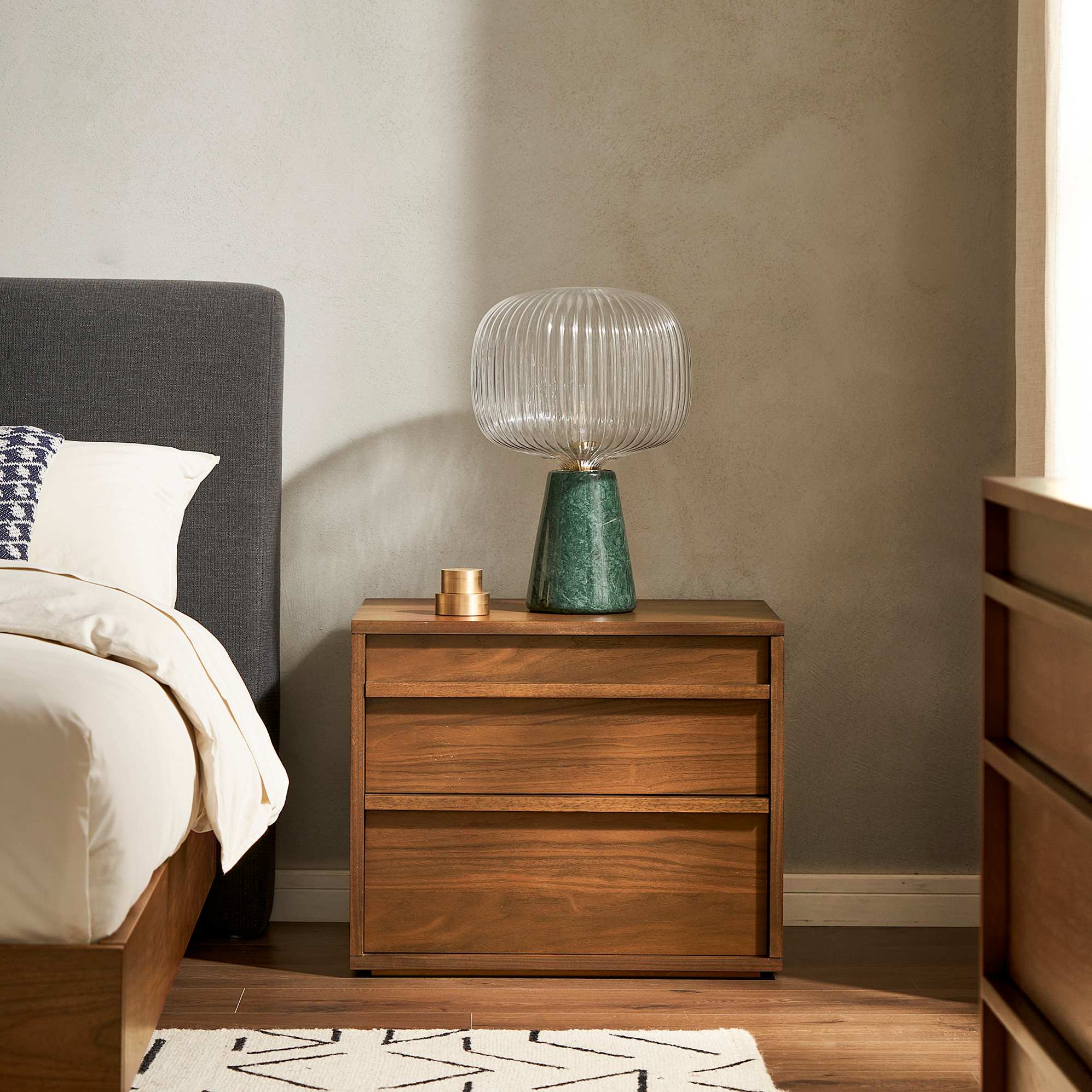
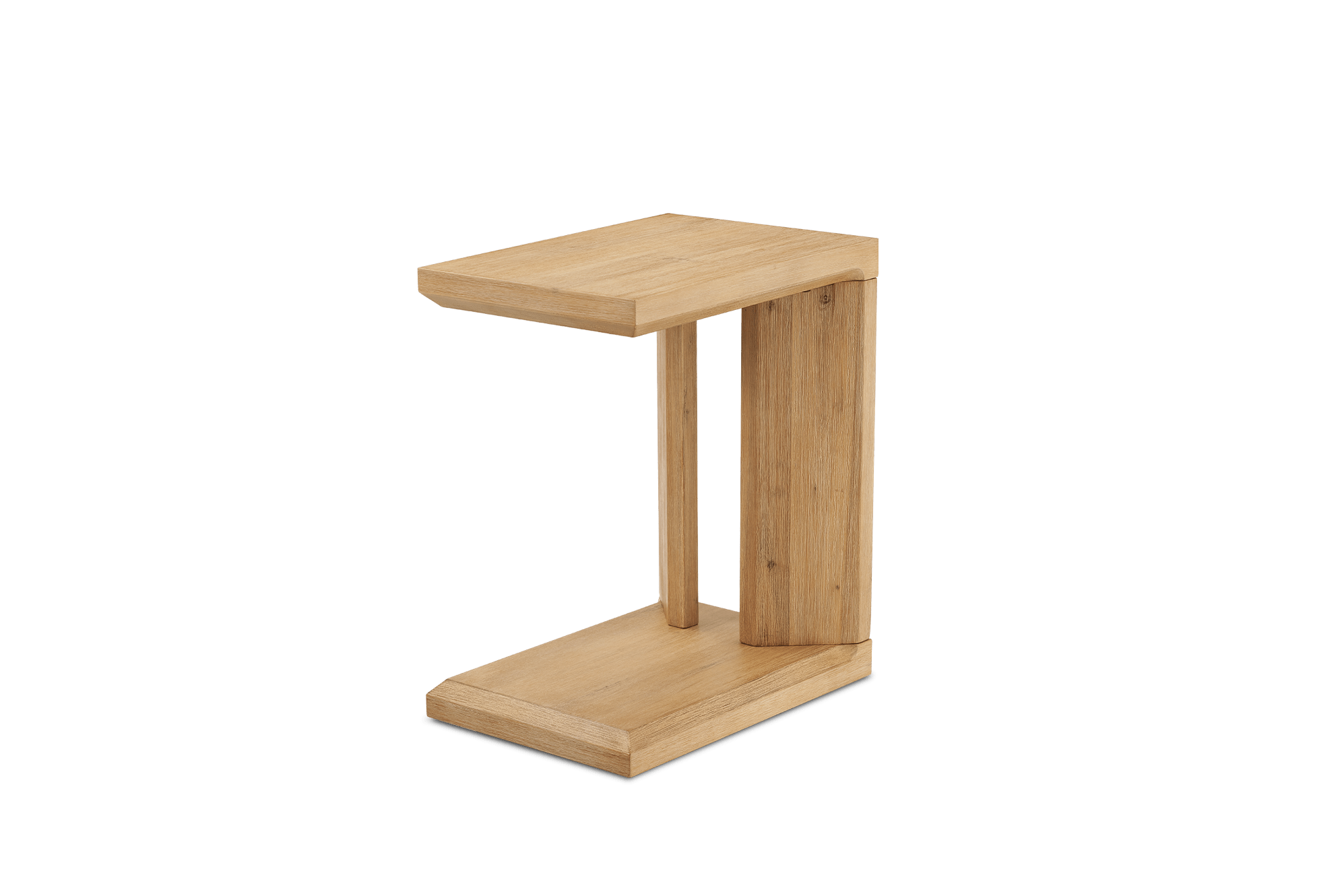
Nightstands are the quiet workhorses of the bedroom. It holds the rhythm of your evenings and your mornings, carrying the weight of nightly routines, half-read books, and the glass of water you swore you would not forget. A well-designed nightstand keeps essentials within reach while keeping visual clutter in check, turning the space beside your bed into something intentional rather than leftover.
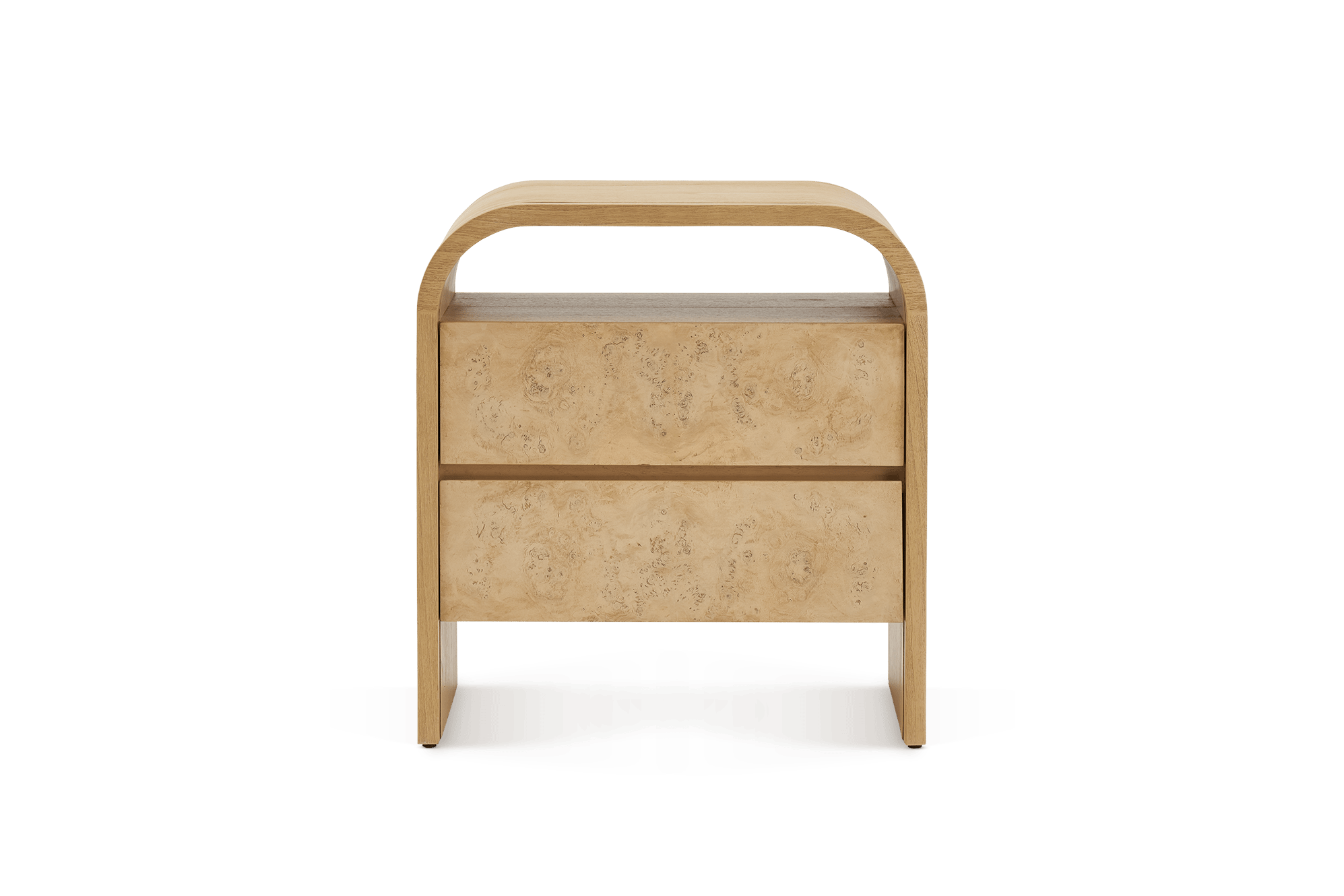
Available in compact single-drawer styles and wider double-drawer configurations, our nightstands fit snugly beside a twin or anchor a king-size bed with equal confidence. Whether you favor the warmth of natural timber or the clean edge of a lacquered finish, each piece is sized to work—and made to last. Because the last thing you see before you sleep, and the first thing you reach for in the morning, should never be an afterthought.
FAQ
The one rule worth memorizing: your nightstand surface should sit within two inches of your mattress top. Not your bed frame, or the floor, but the actual surface you sleep on.
For most Canadian bedrooms—a 10 to 14-inch mattress on a platform frame—that puts the target somewhere between 24 and 28 inches tall. If you have a thick pillow-top mattress on a box spring, you are likely looking at 30 inches or more.
If you're buying two nightstands, they don't need to be identical, but keep them within two inches of each other in height. The eye forgives mismatched styles far more easily than mismatched levels.
Start with height, then consider surface area. The minimum usable top surface is roughly 18 by 16 inches, which is enough for a lamp, a glass of water, and one other item. Anything smaller, and you are playing furniture Tetris every night.
For width, a general guideline is that the nightstand should be roughly one-third the width of the space between the headboard and the wall. A wide nightstand beside a narrow headboard looks imbalanced; a slim nightstand beside a large upholstered bed can disappear entirely.
For depth, keep it under 20 inches so you preserve a comfortable walkway. If floor space is genuinely tight, a wall-mounted nightstand is worth considering as it frees up the floor entirely without sacrificing the surface you need.
Solid wood, like oak, walnut, maple, and birch, are the most common material. It handles daily wear, resists moisture better than engineered alternatives, and can be refinished years down the line. Engineered wood (MDF or particleboard with laminate or veneer) is perfectly functional for five to ten years. The trade-off is durability: it's more vulnerable to moisture, and the finish can chip or swell over time. If indoor air quality matters to you, solid wood and metal options produce essentially no off-gassing.
Metal and mixed materials like wood combined with glass or stone tops are a growing category. They offer a contemporary look and handle surface moisture well. A stone or glass top, in particular, eliminates the water-ring problem that afflicts wooden surfaces.
No, but they do need to feel intentional. Two matching nightstands create the kind of symmetry that makes a bedroom feel resolved, which is why most designers default to a pair. It's the easiest route to a considered room.
That said, mismatched nightstands work well when the pieces share something—a similar height, a common material, a finish that belongs to the same family. Couples who use their bedside table differently (one needs drawers, the other wants a shelf for books) often find that slightly different pieces serve them better anyway.
What matters most is that the choice looks deliberate. Two very different nightstands that clearly belong to the same visual conversation are far more interesting than two matching pieces that were never really thought about.
While we strive to reach every corner of Canada, our delivery coverage is currently limited to selected areas. To check whether your location is within our delivery zones, simply enter your postcode on the product page. For more details, visit our delivery page.
We also offer a limited warranty against manufacturing defects on our nightstands. Warranty duration varies by product—full details are available on our product warranty page. If your purchase isn’t quite right, our return policy outlines eligibility, timelines, and processes on the sales and refunds page.
For further assistance, visit our help center for FAQs and ways to get in touch with our customer support team.