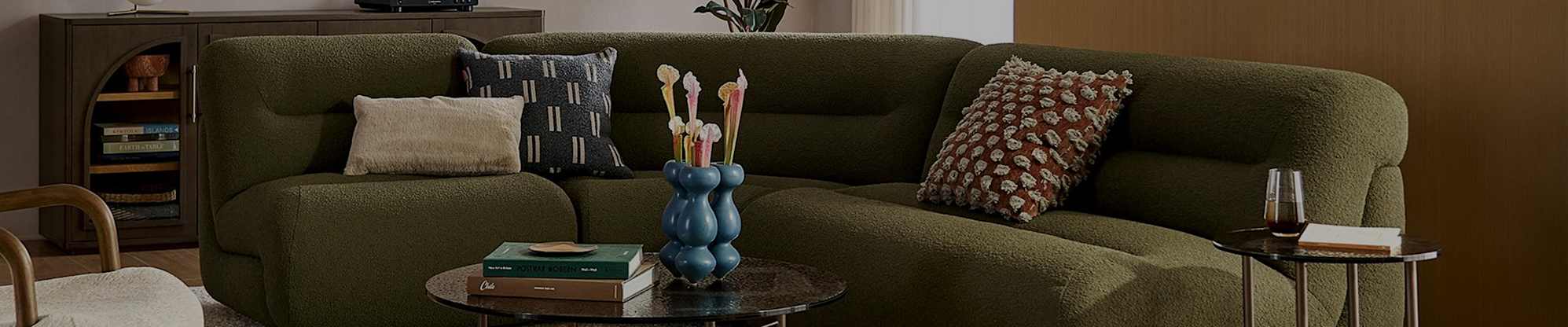
Scale and Proportion: The Key to Rooms That Just Click
There's a particular kind of frustration that only homeowners know. The sofa arrived. The rug went down. The coffee table you’ve just bought is objectively nice. And somehow, feels like it’s still waiting for something to click.
Nothing is technically wrong. It just isn’t right.
Nine times out of ten, this isn’t a taste issue. It’s a scale and proportion problem. The quiet, structural layer that determines whether a room feels resolved or slightly off, no matter how many finishing touches you add.
These principles don’t shout for attention. But once you understand them, you start noticing them everywhere. More importantly, you start fixing rooms faster, and with far less guesswork.
What is scale in interior design?
Let’s start with the bigger picture. Scale refers to the size of objects in relation to the space they occupy and to the elements around them. It’s how your furniture “fits” within the architecture of your home.
Think about it in real terms. A low-profile sectional in a compact apartment doesn’t feel relaxed, it feels intrusive. A small two-seater in a large, open living room doesn’t feel minimalist, it feels unfinished.
Scale is what determines whether a piece belongs. When scale is right, the room feels grounded. A dining table sits comfortably within the room, with enough breathing space to move around it. A sofa anchors the living area without overwhelming it.
When scale is wrong, the room starts sending mixed signals. Pieces either compete for attention or disappear entirely.
What is proportion in interior design?
If scale is about how furniture relates to the room, proportion is about the internal harmony between pieces and how everything fits together.
A bed frame that looks slightly overwhelmed by the mattress sitting on it. Artwork that feels too small for the wall, no matter how well it’s styled. A coffee table that seems to float rather than anchor the seating area.
Your eye notices these imbalances instantly, even if you can’t articulate why. Good proportion creates rhythm. It connects pieces visually, so the room reads as one cohesive story instead of a collection of individual items.
Proportion vs scale: What’s the difference?
Still a little fuzzy on where one ends and the other begins? Here's the clearest way to think about it:
| Definition | Example | |
|---|---|---|
| Scale | How big something is relative to its environment | A dining table that fits a spacious dining room comfortably—large enough to feel intentional, but not so oversized that movement around it feels restricted |
| Proportion | How the parts of something relate to each other, and to the whole composition | A pendant light sized appropriately above the dining table, visually anchoring the setup instead of appearing too small or disproportionately large |
Think of it this way: Scale is the edit you make from across the room, and proportion is the adjustment you make once you’re standing in it.
You can have perfectly scaled furniture that still feels off because the proportions between pieces aren’t working. Or you can have beautifully proportioned pieces that feel lost because they’re too small for the space.
The sweet spot is when both align. That’s when a room stops trying so hard and simply works.
The Casa Extendable Dining Table
Picture credits: @camillas_edit
The Casa Extendable Dining Table
Picture credits: @camillas_edit
The Mori Performance Fabric Single Arm Sofa
Picture credits: @jco.naturehome
The Mori Performance Fabric Single Arm Sofa
Picture credits: @jco.naturehome
The overlooked player: How color changes scale and proportion
We tend to treat color as a finishing touch. In reality, it’s doing structural work. Color can shift how we perceive scale and proportion in interior design without moving a single piece of furniture.
Dark tones tend to feel heavier and closer. They visually advance, making surfaces appear larger or more dominant. Light tones do the opposite; They recede, opening up space and softening visual weight.
A narrow room painted in a deep tone can feel intimate and cocooning, or slightly claustrophobic if overdone. A pale, airy palette can make a compact space feel generous, but risks feeling washed out if there’s no contrast to ground it.
The interesting part is how strategic color can correct an imbalance:
A darker ceiling can visually lower a room that feels too tall
A saturated rug can anchor a floating seating arrangement
A feature wall can give a room a focal point it’s been quietly missing
Before you start replacing furniture, ask yourself if the issue is actually visual weight.
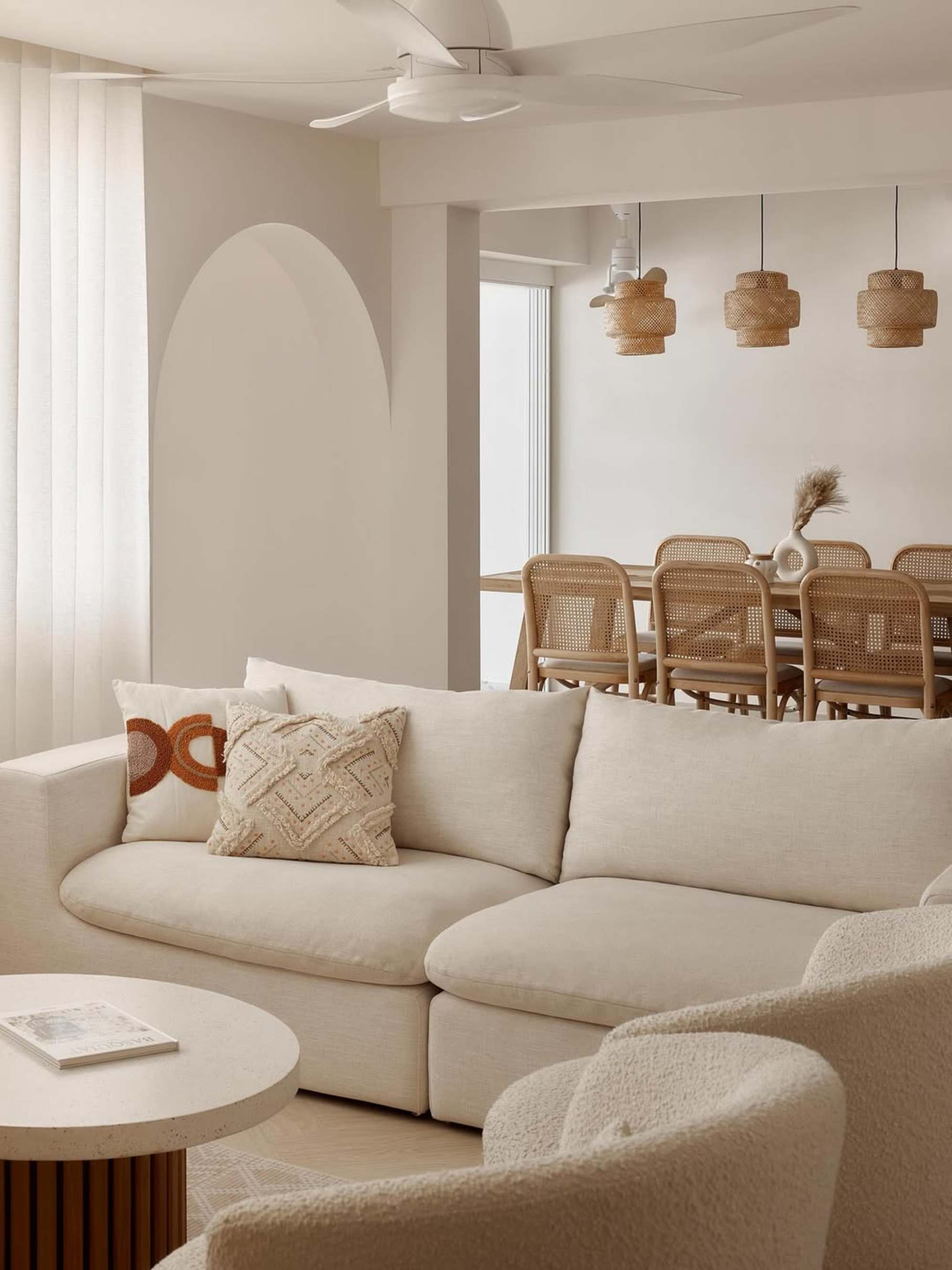
The Crescent 6-Drawer Dresser
Picture credits: @thishouse5000
The Crescent 6-Drawer Dresser
Picture credits: @thishouse5000

How to get scale and proportion right in real homes
Theory is useful, but rooms are messy, lived-in spaces. Here are some practical tips I usually share with my clients when it comes to scale and proportion in interior design:
Start with the largest piece in the room: This is usually your sofa, bed, or dining table. Its size sets the tone for everything else. If this piece is off, the rest of the room will constantly feel like it’s compensating.
Build around it with intention: A coffee table should feel connected to the sofa, not like it wandered in from another room. Side tables should sit comfortably within reach, not awkwardly distant or cramped. Lighting should relate to both the furniture and the ceiling height, not just one or the other.
Don’t underestimate spacing: Even perfectly scaled furniture can feel wrong if it’s arranged too tightly or too sparsely. Negative space is not empty space. It’s what allows everything else to breathe.
If you’re unsure, step back and ask a simple question: Does anything feel like it’s trying too hard or not trying at all? That’s usually where the imbalance sits.
The Callie Slipcover Dining Chair
Picture credits: @wirdaelliesa
The Callie Slipcover Dining Chair
Picture credits: @wirdaelliesa

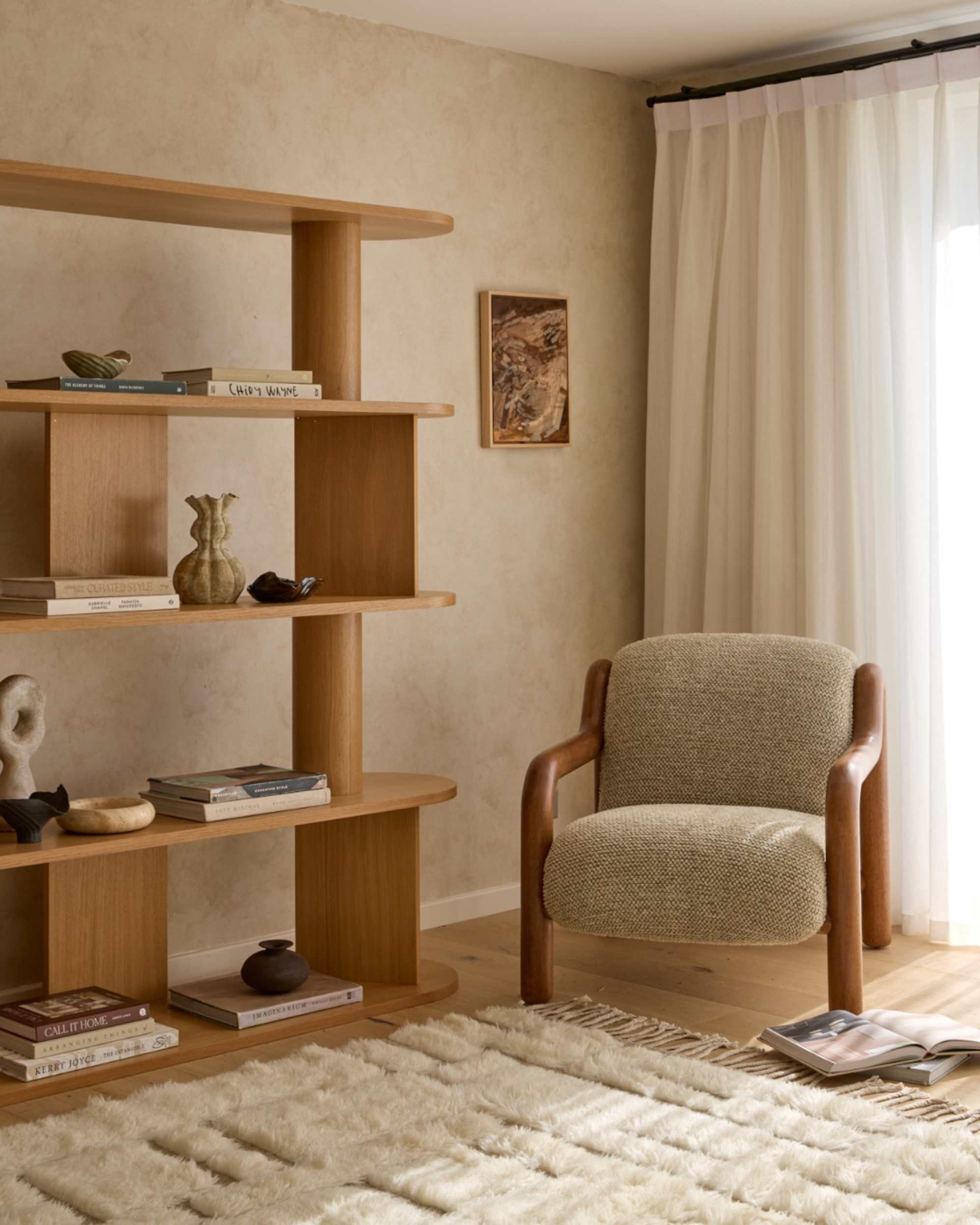
A room that works for you, not against you
If your space feels close but not quite there, resist the urge to keep adding more. More décor, more styling, more “fixes.” The thing about scale and proportion is that it rarely announces itself. You don’t walk into a room and think, “excellent proportion.” You just feel at ease.
That’s the goal.
Scale and proportion aren’t rigid rules. They’re tools that help you shape a space that supports how you live, not just how it looks. Once you start noticing them, you’ll find yourself making sharper decisions, faster.
And the best part is this: when you get them right, the room stops asking questions. It simply makes sense.