
Mattress Types: Memory Foam vs Hybrid vs Innerspring
Shopping for a mattress shouldn't feel like taking a crash course in sleep science. Yet suddenly you're comparing foam, coils, and firmness levels while wondering how choosing somewhere to sleep got so complicated.
The good news? You don't need to understand every mattress specification to make a smart choice.
The three main types of mattresses you'll come across are memory foam, hybrid, and innerspring. Each feels different, supports you differently, and suits different kinds of sleepers.
So, what mattress type is best? Let's break down your options and find the one that fits the way you actually sleep.
Mattress types at a glance
Here's the short version. But don't stop at the label. Two mattresses can belong to the same category and feel completely different depending on their materials, firmness, and construction.
| Mattress type | What it’s made of | Feel | Best for |
|---|---|---|---|
| Memory foam | Layers of foam, including memory foam | Contouring and cushioned | Pressure relief and motion isolation |
| Hybrid | Foam layers combined with coils | Balanced, supportive and cushioned | All-round comfort and support |
| Innerspring | Coil-based support system with comfort layers | Responsive and bouncy | Breathability and a traditional mattress feel |
The construction matters because a mattress is more than its top layer. Think of it like a well-made sandwich. Every layer has a job, and the combination is what determines the final experience.
1. Memory foam mattresses
If you like the feeling of sinking gently into bed at the end of a long day, memory foam may be your kind of mattress.
Memory foam is a pressure-responsive material designed to contour around your body. Rather than pushing back immediately when you lie down, it gradually moulds to your shape. Most memory foam mattresses use several foam layers, with softer comfort foam above denser support foam. Together, they create that close, cushioned feeling many sleepers love.
| Feature | Memory foam |
|---|---|
| What does it feel like? | Cushioned and contouring, with a close-to-the-body feel. You tend to sleep more in the mattress than on top of it. |
| Pressure relief | Excellent. The foam moulds around your body and helps distribute weight across the mattress. |
| Motion isolation | Excellent. Memory foam absorbs movement, making it a popular choice for couples. |
| Responsiveness | Low to moderate. The slower response can make changing positions feel less effortless. |
| Temperature | Can feel warmer than other mattress types, although breathable covers and cooling materials can improve airflow and temperature regulation. |
| Main benefits | Pressure relief, contouring comfort and strong motion isolation. |
| Potential drawbacks | May retain more heat and can feel less responsive when changing positions. |
| Best for | Sleepers who prefer a cushioned, enveloping feel, prioritise pressure relief or share a bed with a restless partner. |
2. Hybrid mattresses
Can't decide between foam and springs? That's where hybrids earn their keep. A hybrid mattress combines a coil-based support core with comfort layers made from materials such as memory foam, latex, or other types of foam. The coils provide structure and responsiveness, while the upper layers add cushioning and pressure relief.
| Feature | Hybrid |
|---|---|
| What does it feel like? | Balanced and supportive, combining the cushioning of foam with the responsive feel of coils. |
| Pressure relief | Good to excellent, depending on the thickness and type of comfort layers. |
| Motion isolation | Moderate to good. Foam layers can absorb movement, while individually wrapped coils can help limit motion transfer. |
| Responsiveness | Moderate to high. Coils make it easier to move and change sleeping positions. |
| Temperature | Generally breathable, as the spaces around the coils allow airflow through the mattress. |
| Main benefits | A versatile balance of cushioning, support, responsiveness and airflow. |
| Potential drawbacks | Can be heavier and more expensive than some all-foam mattresses, and different hybrids can feel very different from one another. |
| Best for | Sleepers who want a balance of comfort and support, change positions frequently, sleep hot or share a bed. |
3. Innerspring mattresses
Innerspring mattresses are the old hands of the mattress world. They use a coil system as their primary support core, usually paired with one or more comfort layers above it. The coils provide the structure and responsiveness that give traditional spring mattresses their familiar buoyant feel.
| Feature | Innerspring |
|---|---|
| What does it feel like? | Responsive and buoyant, with a traditional feel that keeps you more on top of the mattress. |
| Pressure relief | Moderate, depending on the comfort layers used above the coil system. |
| Motion isolation | Low to moderate. Movement can travel more easily through the coil system. |
| Responsiveness | High. The coils respond quickly, making it easy to move and change positions. |
| Temperature | Generally breathable, thanks to the airflow created by the spaces around the coils. |
| Main benefits | Responsiveness, airflow, strong support, and a traditional mattress feel. |
| Potential drawbacks | May transfer more movement and provide less contouring than mattresses with substantial foam layers. |
| Best for | Sleepers who prefer a buoyant, responsive feel, prioritise airflow or don't enjoy sinking into foam. |
Memory foam vs hybrid vs innerspring mattresses
So, we've covered the different types of mattresses. But which one actually makes sense for you? Rather than declaring one universal winner, think about the qualities you care about most.
| If you prioritise... | Mattress type | Why |
|---|---|---|
| Pressure relief | Memory foam | Contours closely around the body |
| Motion isolation | Memory foam | Absorbs movement effectively |
| A balance of cushioning and support | Hybrid | Combines foam comfort layers with coils |
| Responsiveness | Innerspring or hybrid | Coil systems make movement easier |
| Airflow | Innerspring or hybrid | Coil construction allows more airflow |
| A traditional mattress feel | Innerspring | Offers a buoyant, responsive feel |
| Versatility | Hybrid | Blends cushioning, support, and responsiveness |
How to choose the best type of mattress
Knowing the different types of mattresses is useful. Knowing how they fit your actual sleeping habits is even better. After all, your mattress doesn't care what it looks like on a specification sheet. It has one job: to feel good when you're lying on it at 2 a.m.
Start with these questions:
How do you sleep? Your sleeping position can influence the amount of support and pressure relief you need.
Do you sleep hot? Certain mattress types may use breathable materials and cooling technologies to manage heat.
Do you share your bed? Consider mattresses with motion isolation (like our Ayrie Mattress) to reduce movement across the mattress.
How much do you move at night? Innerspring and hybrid mattresses generally offer more bounce, making it easier to move across the surface.
The Ayrie Comfort Mattress
Picture credits: @chiiloyzagagibbs
The Ayrie Comfort Mattress
Picture credits: @chiiloyzagagibbs


What else should you consider when choosing a mattress?
Mattress type is important, but it isn't the whole story. Two memory foam mattresses can feel completely different. The same goes for hybrids and innerspring models.
Before choosing, look beyond the category and consider how the mattress is actually constructed.
Firmness
Mattress type doesn't determine firmness. Look for a firmness level that complements your sleeping position and personal preferences rather than assuming all memory foam, hybrid or innerspring mattresses feel the same.
Materials and construction
Don't judge a mattress by its top layer alone. Look at how the mattress is built from top to bottom, including its comfort layers, transition layers and support core. These layers work together to determine how the mattress feels, how much support it provides, and how responsive it is.
The materials can also affect airflow, pressure relief, and motion isolation.
Edge support
How stable does the mattress feel when you sit or sleep near the edge? Strong edge support can make a mattress feel more spacious and stable, particularly if you share your bed or like to use the full sleeping surface.
Mattress size
Your mattress needs to fit both your body and your room. A larger mattress gives you more space to move, but don't forget to account for your bed frame, bedside tables, and the space needed to move comfortably around the room.
Recommended read: The Ultimate Bed and Mattress Size Guide
The Esmee Performance Fabric Storage Bed
Picture credits: @heybellaking
The Esmee Performance Fabric Storage Bed
Picture credits: @heybellaking


Your perfect mattress starts here
Choosing between the different types of mattresses doesn't have to feel like decoding a secret language. The best type of mattress is the one that suits how you sleep, move, and want your bed to feel.
Go for memory foam if you love contouring comfort and motion isolation. Choose a hybrid for a balance of cushioning and support. Prefer a buoyant, breathable feel? Innerspring could be your match.
The right mattress doesn’t just tick the right boxes. It makes getting into bed the best part of your day.
Frequently asked questions about mattress types
What mattress type is best for side sleepers?
Side sleepers often benefit from a mattress that provides enough cushioning and pressure relief around the shoulders and hips. Memory foam and hybrid mattresses can both be suitable, depending on their firmness and comfort-layer construction.
Are hybrid mattresses better than memory foam?
Neither is automatically better. Hybrid mattresses combine foam with coils for a balance of cushioning and responsiveness, while memory foam generally provides a more contouring feel and strong motion isolation. The best choice depends on how you sleep and what you prefer to feel beneath you.
What is the best type of mattress for couples?
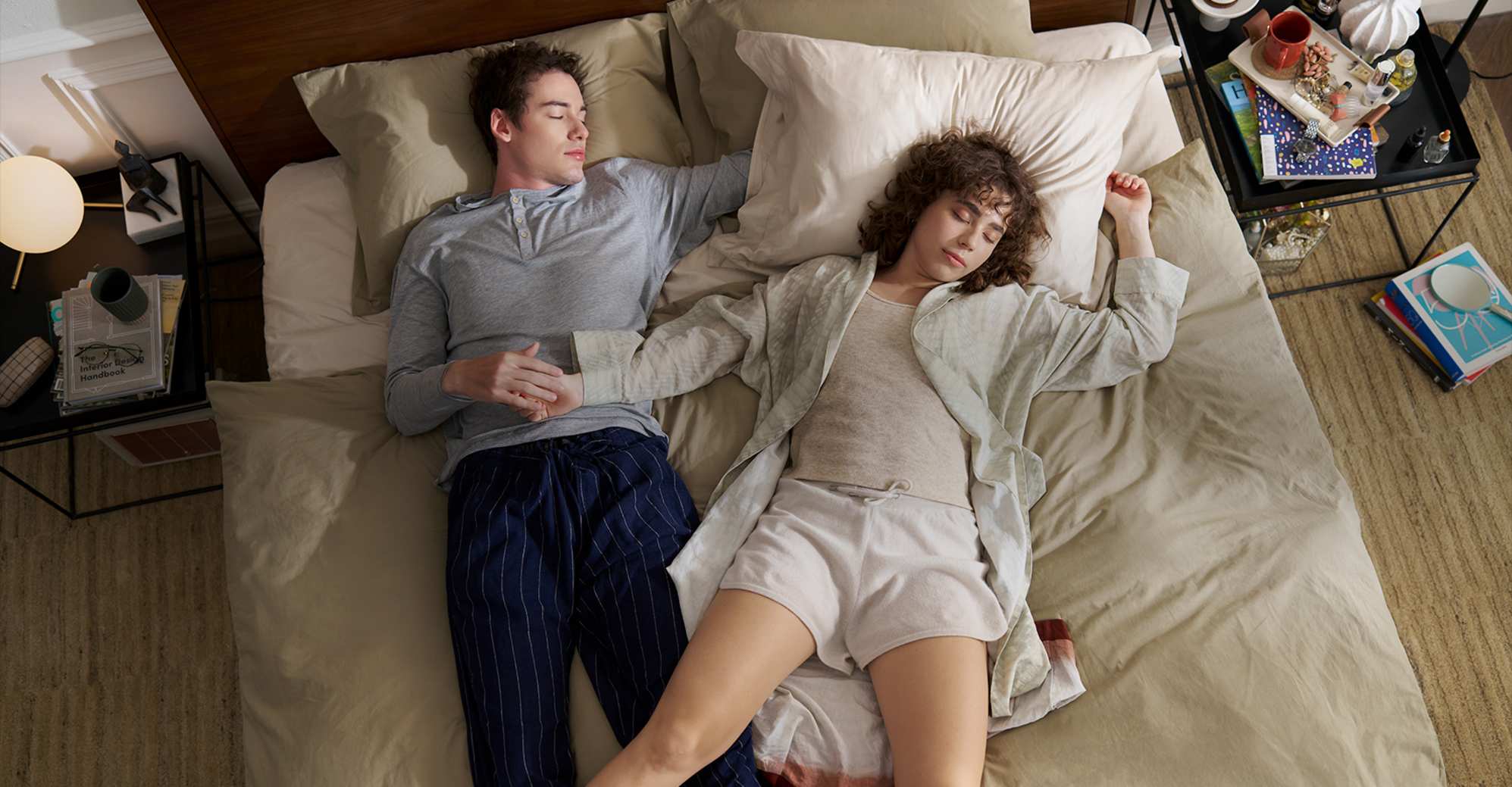
The best type of mattress for couples depends on both sleepers' preferences. Motion isolation is particularly important if one person moves frequently, while responsiveness and edge support may matter if you both move around or use the full surface of the bed. Memory foam and well-designed hybrid mattresses can both work well for couples.
How do I know which mattress type is right for me?
Start with your sleeping position, preferred firmness, temperature preferences and how much you move during the night. Then compare memory foam, hybrid and innerspring mattresses based on the characteristics that matter most to you. The best type of mattress is ultimately the one that supports your body and suits the way you actually sleep.
